








 Loading...
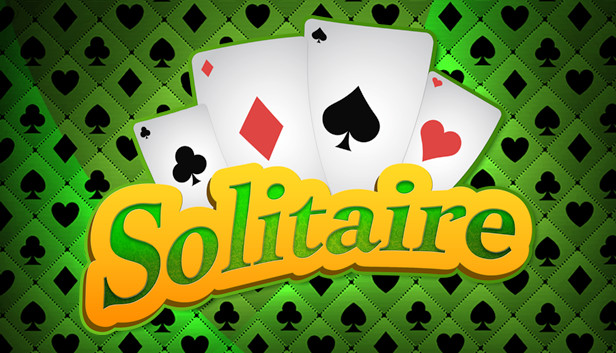
Solitaire is a single-player card puzzle, commonly Klondike built around a clear objective: build four foundation piles by suit from Ace to King while arranging tableau cards in descending alternating colors. This guide replaces generic portal copy with practical information about the current game concept, controls, strategy, and the details players should check before starting.
About Solitaire
Solitaire usually refers to Klondike in browser game collections. The game rewards planning because moving a visible card can reveal a hidden card, open an empty column, or block a useful sequence.
Seven tableau columns begin with increasing numbers of cards. Only the top card is visible in each pile, and empty columns are generally reserved for Kings or King-led sequences in standard Klondike rules.
This game is easier to learn when you separate the basic rule from the longer-term strategy. First understand what causes progress or failure, then decide how each move affects the next few turns.
Solitaire Game Information
| Game | Solitaire |
|---|---|
| Genre | Single-Player Card Puzzle, Commonly Klondike |
| Main objective | Build four foundation piles by suit from Ace to King while arranging tableau cards in descending alternating colors. |
| Developer or creator | Solitaire is a traditional card-game family with no single developer |
| Primary input | Click or drag cards between the tableau, stock, waste, and foundation piles. Buttons such as Undo, Hint, or New Game depend on the browser version. |
| Platform | Web browser; device support may depend on the embedded build. |
How to Play Solitaire
Begin with one slow test attempt instead of trying to achieve the best result immediately. Confirm the main success condition, identify what causes a failed run, and notice whether the game gives you a preview, timer, limited resource, or restart option. For Solitaire, your first priority is to build four foundation piles by suit from Ace to King while arranging tableau cards in descending alternating colors.
The most useful early question is not “How do I play faster?” but “Which decision created the last problem?” A missed input, poor route, crowded board, unnecessary purchase, or badly timed movement usually points to a specific correction. Change that one decision on the next attempt and compare the result.
Solitaire Controls
Click or drag cards between the tableau, stock, waste, and foundation piles. Buttons such as Undo, Hint, or New Game depend on the browser version.
Activate the game window before using keyboard controls. When the embedded version shows instructions that differ from this guide, follow the in-game prompts because browser ports can use different key mappings, touch buttons, or interface layouts.
Key Features
- A complete single-player card challenge
- Turn-one or turn-three stock rules depending on the version
- Undo and hint tools in many digital editions
- A balance of planning, probability, and card order
Tips for Better Results
- Reveal face-down tableau cards before sending every card to the foundations.
- Prefer moves that open an empty column or expose a hidden card.
- Do not move a low card to the foundation if it is still needed to rearrange the tableau.
- Check the stock after each meaningful change to the board.
Improvement usually comes from repeatable decisions rather than one lucky attempt. Watch how the game responds, make a small adjustment, and keep the change only when it produces a clearer or more reliable result.
Common Mistakes to Avoid
- Sending all available cards to the foundations immediately
- Filling an empty column without a useful plan
- Cycling the stock without reviewing new tableau moves
Another common mistake is restarting too quickly. Let the result finish when possible, because the final movement, score calculation, board state, or failure animation can show exactly why the attempt ended.
Games Like Solitaire
Players who enjoy the main mechanic or pace of Solitaire can continue with these related games:
- Gin Rummy — another option with a related mechanic, pace, or challenge style.
- Uno Online — another option with a related mechanic, pace, or challenge style.
- 4 Colors Multiplayer — another option with a related mechanic, pace, or challenge style.
- Tic Tac Toe — another option with a related mechanic, pace, or challenge style.
Browse more Other games to find titles organized around a similar style of play.
Solitaire FAQ
What type of game is Solitaire?
Solitaire is a single-player card puzzle, commonly Klondike. Its main challenge is to build four foundation piles by suit from Ace to King while arranging tableau cards in descending alternating colors.
How do I control Solitaire?
Click or drag cards between the tableau, stock, waste, and foundation piles. Buttons such as Undo, Hint, or New Game depend on the browser version.
Is Solitaire suitable for a short play session?
Yes. The basic rule can be learned quickly, although completing later stages, improving a score, or optimizing progression may require several attempts. You can stop after a short round and return when you want to continue.
Why might the controls or features look different?
Browser games can be distributed in more than one build. A desktop version may use keyboard and mouse controls while a mobile version displays touch buttons. Available modes, save behavior, advertising, and interface options can also vary by provider.
Final Thoughts
Solitaire is most rewarding when each retry has a purpose. Learn the central rule, avoid changing several things at once, and use the feedback from failed attempts to make the next run more controlled. The game does not need an exaggerated claim or an unsupported score to be useful; its value comes from whether the core mechanic remains clear, responsive, and enjoyable.
About ABCya3
ABCya3 is an independent browser-game website that organizes action, adventure, arcade, driving, sports, puzzle, and casual games into clear collections. Each game page is intended to provide practical controls, gameplay guidance, related internal links, and content information so players can choose a suitable title before starting.