













How to Play Spider Solitaire: Rules, Setup, and Tips
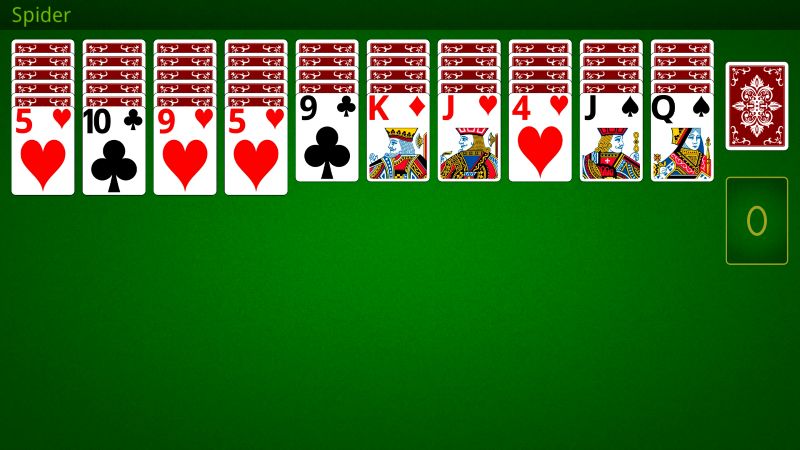
To learn how to play Spider Solitaire, arrange cards in descending order from King to Ace and build each complete sequence in the same suit. Completed King-to-Ace sequences are automatically removed from the tableau, and you win after clearing all eight sequences. You can place a card on another card one rank higher, but only same-suit sequences can normally be moved together. Players can practice familiar card-game mechanics while exploring free browser games on ABCya3.
Quick Answer
Spider Solitaire uses two standard decks and ten tableau columns. Move cards into descending order, such as 9 onto 10, while trying to create complete same-suit sequences from King through Ace. You may move a properly ordered same-suit group as one unit. Deal another row from the stock when no useful moves remain, but fill empty columns first. Remove all eight King-to-Ace sequences to win.
Table of Contents
- What Is Spider Solitaire?
- What Is the Objective?
- Spider Solitaire Setup
- How to Play Spider Solitaire Step by Step
- Legal Moves and Important Rules
- One-Suit, Two-Suit, and Four-Suit Games
- Best Spider Solitaire Strategies
- Common Mistakes to Avoid
- How to Know When You Have Won
- Conclusion
- Frequently Asked Questions
What Is Spider Solitaire?
Spider Solitaire is a single-player card game played with 104 cards, which is the equivalent of two standard 52-card decks. Unlike traditional Klondike Solitaire, it does not use separate foundation piles during normal play.
Instead, all cards are organized within ten tableau columns. Your task is to uncover hidden cards, create descending sequences, and assemble complete runs from King to Ace in the same suit.
The name “Spider” refers to the eight complete sequences that must be removed to win, resembling a spider’s eight legs. The game rewards planning, patience, and careful management of empty columns.
What Is the Objective of Spider Solitaire?
The objective is to remove every card from the tableau by completing eight same-suit sequences. Each sequence must contain thirteen cards arranged in this exact order:
King, Queen, Jack, 10, 9, 8, 7, 6, 5, 4, 3, 2, Ace
When a complete sequence is formed in one suit, the game removes it from play. You win after all eight sequences have been completed and removed.
Cards of different suits may usually be placed together when their ranks descend correctly. However, a mixed-suit sequence cannot normally be moved as a group, which makes suit organization essential.
Spider Solitaire Setup
A standard Spider Solitaire game begins with ten tableau columns and a stock containing the undealt cards. The first four columns receive six cards each, while the remaining six columns receive five cards each.
Only the top card in every tableau column begins face up. All cards beneath it remain face down until the exposed cards above them are moved.
| Game Area | Number of Cards | Purpose |
|---|---|---|
| First four tableau columns | Six cards per column | Main area for arranging sequences |
| Last six tableau columns | Five cards per column | Main area for arranging sequences |
| Stock | 50 cards | Provides five additional deals of ten cards |
| Completed sequences | Eight groups of 13 | Removed after King-to-Ace runs are completed |
The remaining 50 cards form the stock. Each time you use the stock, one face-up card is dealt onto every tableau column.
How to Play Spider Solitaire Step by Step
The basic process is easy to understand, although winning requires careful decisions. Follow these steps to play a complete game.
- Study the visible cards. Examine all ten columns before making your first move. Look for moves that uncover face-down cards or connect cards of the same suit.
- Build downward by rank. Place a card on a card exactly one rank higher. For example, move a 7 onto an 8 or a Queen onto a King.
- Prefer matching suits. Although a 7 of hearts can usually be placed on an 8 of spades, a matching-suit move is more valuable because the sequence may later be moved together.
- Reveal hidden cards. Move exposed cards away from a column to turn the next face-down card face up.
- Create an empty column. Clear one tableau column whenever possible. Empty columns provide temporary space for reorganizing difficult stacks.
- Move ordered sequences. Transfer a descending same-suit sequence to another suitable card or an empty column.
- Deal from the stock carefully. When useful moves are exhausted, deal one new card onto each column.
- Complete King-to-Ace runs. Build all thirteen ranks in the same suit so the sequence is removed.
- Remove all eight sequences. Continue reorganizing and dealing until no cards remain.
Beginners can become comfortable with the movement system by starting with a one-suit game. They can also practice a simpler card-game format by playing Solitaire online before moving to Spider Solitaire’s larger tableau.
Legal Moves and Important Rules
Understanding the legal moves prevents unnecessary mistakes. Some browser versions use slightly different rules, but most Spider Solitaire games follow the standards below.
Moving a Single Card
An exposed card can be placed on another exposed card that is one rank higher. The suits do not need to match.
For example, a 6 of clubs may be placed on a 7 of hearts. This is legal, but it creates a mixed-suit stack that cannot usually be moved together.
Moving Multiple Cards
You may move several cards at once only when they form a descending sequence in the same suit. A sequence of 9, 8, 7, and 6 of spades can be moved as one group.
A descending sequence containing different suits may look organized, but it is normally treated as separate sections. You must separate or rebuild it before moving the entire stack.
Using Empty Columns
Any single card can be moved into an empty column. You can also place a movable same-suit sequence there.
Empty columns are among the most valuable resources in Spider Solitaire because they let you temporarily store cards while reorganizing other stacks. Avoid filling one with a card that cannot easily be moved again.
Dealing New Cards
Clicking the stock deals one card onto each of the ten tableau columns. These new cards may cover sequences you were building, so dealing should usually be delayed until no productive moves remain.
Under standard rules, every tableau column must contain at least one card before you can deal a new row. If a column is empty, place a card or valid sequence into it first.
Turning Cards Face Up
When you move the last face-up card from a column containing hidden cards, the next face-down card turns over automatically. Revealing cards is essential because hidden cards limit your available moves.
Completing a Sequence
A sequence is removed only when all thirteen cards run from King to Ace in the same suit. A mixed-suit King-to-Ace arrangement does not count as complete.
| Move | Usually Allowed? |
|---|---|
| Move a red 7 onto a black 8 | Yes |
| Move a spade 7 onto a spade 8 | Yes |
| Move a same-suit descending group | Yes |
| Move a mixed-suit group together | No |
| Place any card in an empty column | Yes |
| Deal while a column is empty | Usually no |
One-Suit, Two-Suit, and Four-Suit Spider Solitaire
Spider Solitaire commonly offers three difficulty settings. The number of suits changes the complexity, but the objective and basic rules remain the same.
| Mode | Suits Used | Difficulty | Best For |
|---|---|---|---|
| One suit | Usually spades only | Easy | Beginners learning the rules |
| Two suits | Usually spades and hearts | Medium | Players ready for more planning |
| Four suits | All four standard suits | Hard | Experienced Spider Solitaire players |
One-Suit Spider Solitaire
All cards are treated as the same suit, even though ranks are still duplicated because two decks are used. Every correctly ordered descending group can be moved together.
This mode is the best place to learn how empty columns, hidden cards, and stock deals work. It also has the highest chance of producing a manageable game.
Two-Suit Spider Solitaire
Two-suit mode introduces the need to separate suits while maintaining descending ranks. Mixed-suit stacks become more common, and temporary moves require greater care.
This difficulty offers a good balance between accessibility and strategy. Players must plan ahead without managing all four suits at once.
Four-Suit Spider Solitaire
Four-suit mode uses hearts, diamonds, clubs, and spades. It is the traditional and most difficult version because correctly ranked cards can still block one another when their suits do not match.
Winning consistently requires strong empty-column management, patience, and the ability to anticipate how future stock deals will affect the tableau.
Best Strategies for Winning Spider Solitaire
No strategy guarantees victory because the initial deal can create difficult situations. However, disciplined decisions can greatly improve your chances.
Reveal Face-Down Cards First
Moves that expose hidden cards are usually more valuable than moves that simply organize visible cards. Every newly revealed card creates another possible action and provides more information about the deal.
When choosing between two legal moves, favor the one that uncovers a face-down card unless it seriously damages a strong same-suit sequence.
Build Same-Suit Sequences
Matching suits should be prioritized whenever practical. Same-suit groups can be moved as units, making it easier to uncover cards and rearrange columns.
Mixed-suit stacks are sometimes necessary, but treat them as temporary structures. Plan how you will separate them before adding more cards.
Create Empty Columns Early
An empty column acts like a temporary workspace. It allows you to move a card or sequence aside while accessing blocked cards elsewhere.
Clearing a column early can transform a difficult layout into a manageable one. However, do not immediately fill it with a King unless doing so supports a clear plan, because Kings cannot be placed on any higher rank.
Do Not Rush to Deal
A new stock row places ten cards across the tableau and can cover carefully organized sequences. Complete every useful move before dealing.
Check all columns for possible single-card moves, same-suit combinations, and opportunities to reveal hidden cards. A move that initially seems unhelpful may create space for a better sequence.
Keep Higher Ranks Accessible
Kings and Queens are difficult to relocate because few cards can receive them. Avoid burying flexible low cards beneath high ranks without a reason.
When possible, reserve empty columns for difficult high cards or long sequences rather than using them for an isolated low card.
Plan Before Completing a Sequence
Removing a completed sequence is normally helpful because it clears space. Still, check whether moving cards into that sequence will block an important hidden card or consume your only empty column.
The best completion is one that removes thirteen cards while preserving enough flexibility for the remaining tableau.
Use Undo as a Learning Tool
Many digital versions allow players to undo moves. Use this feature to compare different choices and understand which move creates more options.
Undo does not replace planning, but it helps beginners recognize dangerous mixed-suit stacks and poorly timed stock deals.
Card-game fans can find additional planning-focused titles in the Other games section. Switching between different rule systems can strengthen pattern recognition and decision-making.
Common Spider Solitaire Mistakes to Avoid
Many losses are caused by avoidable decisions rather than a lack of legal moves. Watch for these common mistakes.
- Building mixed suits unnecessarily: A mixed stack may be legal but difficult to move later.
- Dealing too early: New cards can cover valuable sequences and create additional blockers.
- Ignoring hidden cards: Organizing visible cards without revealing new ones limits progress.
- Wasting empty columns: Filling an empty space with an inflexible card reduces your ability to reorganize.
- Moving without checking alternatives: The first legal move is not always the best move.
- Blocking high cards: Kings and Queens require careful placement because they are harder to relocate.
- Focusing on one column only: Spider Solitaire requires balancing progress across the entire tableau.
- Expecting every deal to be easy: Some layouts require temporary disorder before they can be solved.
Avoiding these errors is especially important in two-suit and four-suit games. One careless mixed-suit move can block several columns and eliminate the flexibility needed later.
How to Know When You Have Won
You win Spider Solitaire when all 104 cards have been organized into eight complete same-suit sequences from King to Ace and removed from the tableau.
Most digital games remove each completed sequence automatically. A counter, empty foundation area, animation, or victory message may show how many sequences have been completed.
If cards remain after several sequences have disappeared, continue building until the tableau and stock are both empty. Completing only one King-to-Ace run does not finish the game.
Players who enjoy strategic card organization may also like Gin Rummy, which focuses on building useful combinations while managing the cards held in your hand.
Conclusion
Learning how to play Spider Solitaire begins with one central goal: build eight same-suit sequences from King to Ace and remove every card. You may arrange cards in descending order regardless of suit, but only properly ordered same-suit sequences can normally be moved together.
Reveal hidden cards, create empty columns, prioritize matching suits, and delay stock deals until you have used every productive move. Beginners should start with one suit before progressing to the more demanding two-suit and four-suit versions.
ABCya3 offers accessible browser games for players who enjoy card strategy, puzzles, and thoughtful challenges. With patient planning and careful use of empty columns, Spider Solitaire becomes easier to understand and far more rewarding to master.
Frequently Asked Questions
How many cards are used in Spider Solitaire?
Spider Solitaire uses 104 cards, equal to two standard 52-card decks. Fifty-four cards are initially dealt across ten tableau columns, with only the top card of each column face up. The remaining 50 cards form the stock and are dealt in five additional rows of ten cards.
Can you place different suits together in Spider Solitaire?
Yes. You can normally place a card on any card that is exactly one rank higher, even when the suits differ. For example, a 7 of hearts may be placed on an 8 of clubs. However, mixed-suit groups cannot usually be moved together, so matching suits is strategically better.
Can any card go into an empty column?
Yes. Standard Spider Solitaire allows any exposed card or movable same-suit sequence to enter an empty column. Empty columns are valuable because they provide temporary storage for reorganizing stacks. Use them carefully, especially before placing a King, which cannot later be moved onto another rank.
Why can I not deal new cards in Spider Solitaire?
Most standard versions prevent a new stock deal while any tableau column is empty. Place a card or valid sequence into every empty column before clicking the stock. Some digital variations change this rule, but filling all ten columns is the safest approach before attempting another deal.
What is the easiest Spider Solitaire mode?
One-suit Spider Solitaire is the easiest mode because every descending sequence is treated as a matching-suit sequence. This allows more groups to be moved together and reduces the number of blocked stacks. Beginners should use one-suit mode to learn the setup, legal moves, and importance of empty columns.
Is every Spider Solitaire game winnable?
Not every deal is guaranteed to be winnable under all rule sets, especially in four-suit mode. Some digital games select deals designed to have solutions, while others use random arrangements. Careful planning improves your chances, but the order of hidden cards can still create extremely difficult or impossible situations.
What is the best first move in Spider Solitaire?
The best first move usually reveals a face-down card or creates a same-suit descending sequence. Examine all ten columns before acting because several legal choices may exist. Avoid making a mixed-suit stack when a matching-suit move can achieve the same result without reducing future flexibility.
How do you win Spider Solitaire more often?
Reveal hidden cards early, build matching suits, create empty columns, and delay dealing new rows. Before every move, check whether it improves access to blocked cards or creates a movable sequence. Starting with one-suit mode also helps you develop the planning skills needed for harder versions.